
What Nobody Tells You Before Getting a Hair Transplant
If you’re thinking about a hair transplant, you’re probably asking yourself one big question: Will it actually look good? The honest answer is that it depends almost entirely on who does it and how well you prepare yourself to make a smart choice.
At IHRS in Jacksonville, FL, we believe every patient deserves to understand exactly what makes a hair transplant successful, and what can go wrong when things aren’t done right. This guide breaks it all down in plain English.
Do Hair Transplants Actually Work?
Yes, when performed correctly by a qualified surgeon, hair transplants are one of the most effective long-term solutions for hair loss. Healthy hair follicles are taken from a donor area (usually the back and sides of your scalp, where hair is naturally resistant to thinning) and carefully transplanted to areas where hair has thinned or disappeared. Those transplanted follicles then grow like your natural hair permanently.
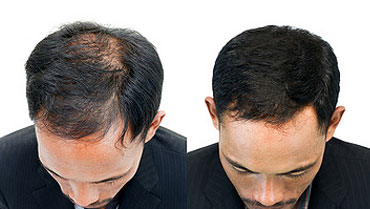
The catch? The outcome depends heavily on the skill of the surgeon performing the procedure. A great surgeon can give you a result that looks completely natural. A poor one can leave you with results that are obvious, uneven, or worse require correction surgery.
Can a Hair Transplant Go Wrong?
Absolutely, and it happens more often than most people realize. Here are the most common reasons transplants go badly:
An inexperienced surgeon. Hair transplantation is a precise, artistic procedure. Surgeons who lack proper training may create hairlines that look harsh or artificial, leave uneven patches, or damage the donor area by removing too much hair at once (called overharvesting). Once the donor zone is overharvested, there’s little that can be done to reverse it.
Clinics that cut corners. Some clinics use unlicensed technicians to perform steps that should only be handled by a doctor. Others operate without proper medical oversight, sanitation standards, or quality equipment. These are serious risks to both your safety and your results.
No real consultation. Good results start with a thorough consultation. If a clinic is willing to schedule your procedure based on a few photos sent over a messaging app — without reviewing your full health history or sitting down with you face-to-face — that’s a serious warning sign.
Chasing a cheap price. Price is one of the most dangerous ways to choose a hair transplant provider. Discount clinics often cut costs in the areas that matter most: surgeon experience, graft handling, facility standards, and aftercare. The International Society of Hair Restoration Surgery (ISHRS) specifically cautions patients not to use price as their primary filter when researching hair restoration options.
Red Flags to Watch Out For
Before booking a consultation anywhere, keep an eye out for these warning signs:
- The clinic doesn’t clearly state which doctor will be performing your surgery
- The surgeon is listed by name but isn’t actually involved in the procedures
- Consultations happen entirely through texting apps with no formal medical intake process
- The clinic pushes you to book quickly with offers of big discounts or “free” add-ons like extra grafts
- There’s no option to meet with the physician directly before your procedure
- Online reviews mention results that look unnatural or patients who needed repair surgery
If something feels off, trust your instincts and keep looking.
What Does a Successful Hair Transplant Look Like?
When a hair transplant is done well, the results are genuinely hard to detect — in the best possible way. Here’s what sets a great outcome apart from a mediocre one:
A natural hairline. The hairline is the first thing people notice. A skilled surgeon designs a hairline that fits your face shape, age, and natural hair pattern. It should look soft and gradual, not straight across like a ruler and certainly not like a row of plugs, which is the hallmark of outdated or poorly performed techniques.
Even, consistent density. The transplanted hair should blend with the hair around it. There should be no obvious patches, thin spots, or areas where the density jumps dramatically. When done right, the coverage looks full and balanced across the scalp.
Hair growing in the right direction. Each follicle needs to be placed at the correct angle so that the hair grows in the same direction as your natural hair. When this isn’t done carefully, the transplanted hair can stick out at odd angles or create an unnatural texture that’s impossible to style properly.
Little to no visible scarring. Modern hair transplant techniques, both FUE (Follicular Unit Extraction) and FUT/strip methods, should leave minimal scarring when performed by an experienced surgeon. With FUE, tiny circular scars in the donor area should be nearly invisible, even with short hair. With FUT, a thin linear scar along the back of the scalp should be well-concealed beneath surrounding hair.
Results that hold up over time. A good transplant isn’t just about how things look at 3 months. By 10 to 12 months post-surgery, the transplanted hair should be growing in fully and looking completely natural. In fact, many patients continue to see improvement beyond that point.
When Is the Right Time to Get a Hair Transplant?
There’s no single right answer, but here are some general guidelines:
The best candidates are typically people whose hair loss has stabilized — meaning it’s no longer actively getting worse at a rapid rate. For many patients, that’s somewhere between the mid-30s and mid-40s, though people in their 20s, 50s, and beyond can be good candidates depending on their situation.
If you’re experiencing early hair loss, it often makes sense to start with non-surgical treatments (like FDA-approved medications) to slow the process before committing to surgery. A qualified provider will help you figure out the right timing for your specific pattern of loss.
How to Choose the Right Provider in Jacksonville
Here’s what to look for when evaluating any hair restoration clinic:
Board certification matters. The surgeon performing your procedure should be a board-certified physician with verifiable credentials. You can confirm this through organizations like the ISHRS or the American Board of Hair Restoration Surgery (ABHRS).
Ask to see real before-and-after photos — not stock images, and ideally photos of patients with similar hair types, loss patterns, and skin tones to your own. Look specifically at hairline design, density, and how natural the results appear up close.
Make sure you’re actually meeting the surgeon. Not just a sales coordinator. The doctor who will perform your surgery should be part of your consultation, answering your questions and evaluating your donor area personally.
The facility should feel like a medical environment — clean, organized, and professional. If anything feels rushed or disorganized during your visit, that reflects how the procedure itself may be handled.
Common Questions About Hair Transplants
How many transplants can I have? It depends on how much donor hair you have available. Multiple procedures are possible, but they need to be spaced out to allow proper healing and to protect the donor zone.
How much does it cost? Pricing varies based on the number of grafts needed, the technique used, the surgeon’s experience, and the clinic’s location. A proper consultation is the only way to get an accurate estimate for your specific situation. Be cautious of quotes that seem dramatically lower than average — there’s usually a reason.
Will anyone be able to tell? With a skilled surgeon and proper technique, the answer is no. When patients are happy with their results, the most common thing they say is that it just looks like their own hair — because it is.
Ready to Take the Next Step?
Hair loss is personal, and so is the decision to do something about it. At Hair4Me in Jacksonville, FL, we’re here to answer your questions honestly and help you figure out whether a hair transplant is the right option for you.
Call us or schedule a consultation today and let’s talk about what’s possible.